
Embroidered vs Woven vs PVC vs Printed Patches
Which patch material suits your design
The four patch materials differ in what matters most: how much detail survives, how the patch feels and where it can be worn. Embroidery is raised thread with real texture. Woven is flat and holds small lettering. PVC is moulded, waterproof and wipes clean. Printing carries photographs and gradients. The table sets them side by side, and the same artwork can usually be made in more than one.
- No minimum on embroidered patches
- Free digital proof
- Embroidered patches in 3–6 days
Choose by material
The material decides how much detail survives, how the patch feels, and where it can be worn.
-
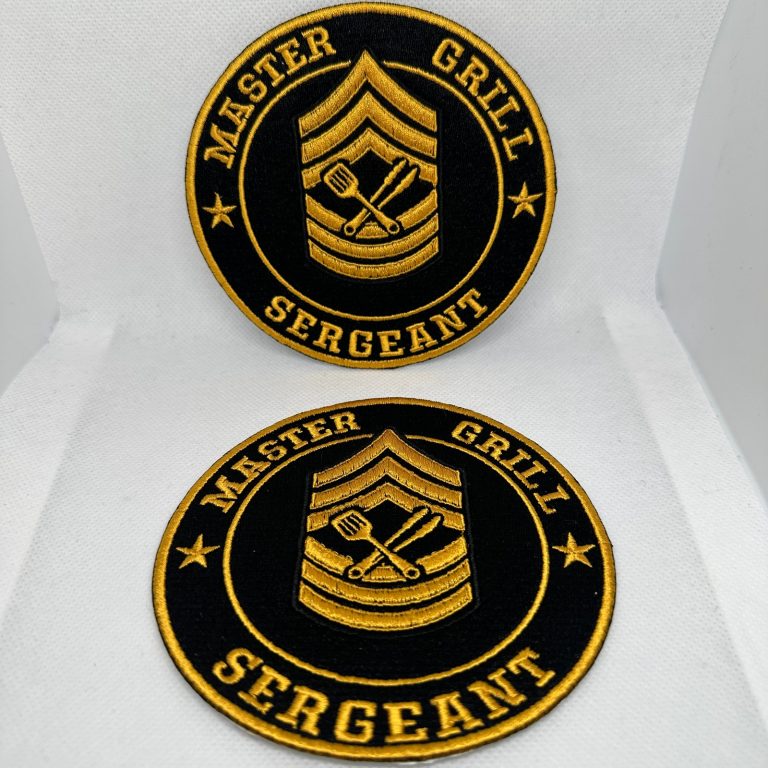
Embroidered patches
Thread stitched onto a twill backing — the oldest patch method and still the most recognisable. Best for Uniforms, jackets, club and unit badges See more -
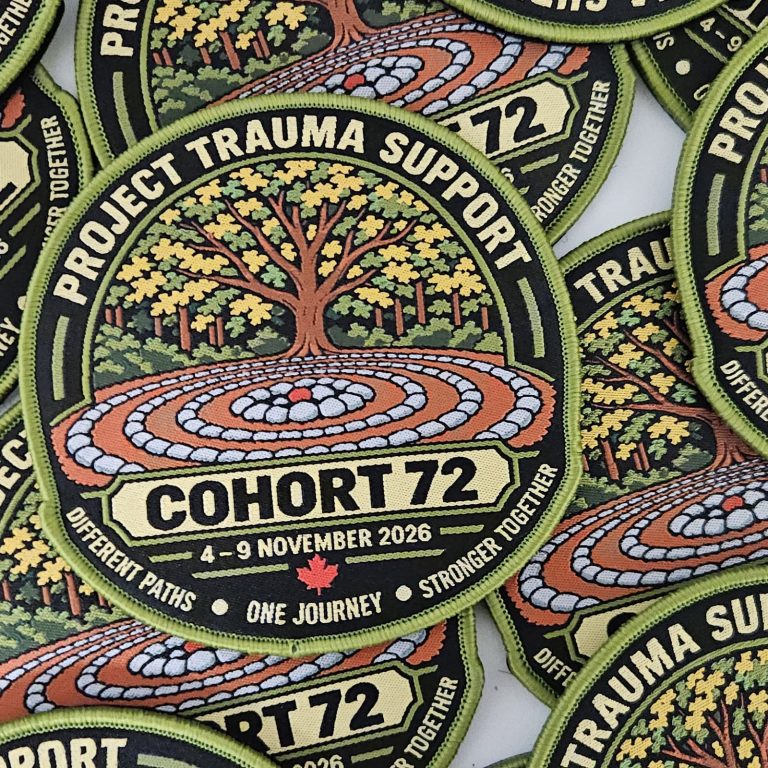
Woven patches
Woven patches are made on a loom from threads far finer than embroidery uses. Best for Detailed logos that have to stay small See more -
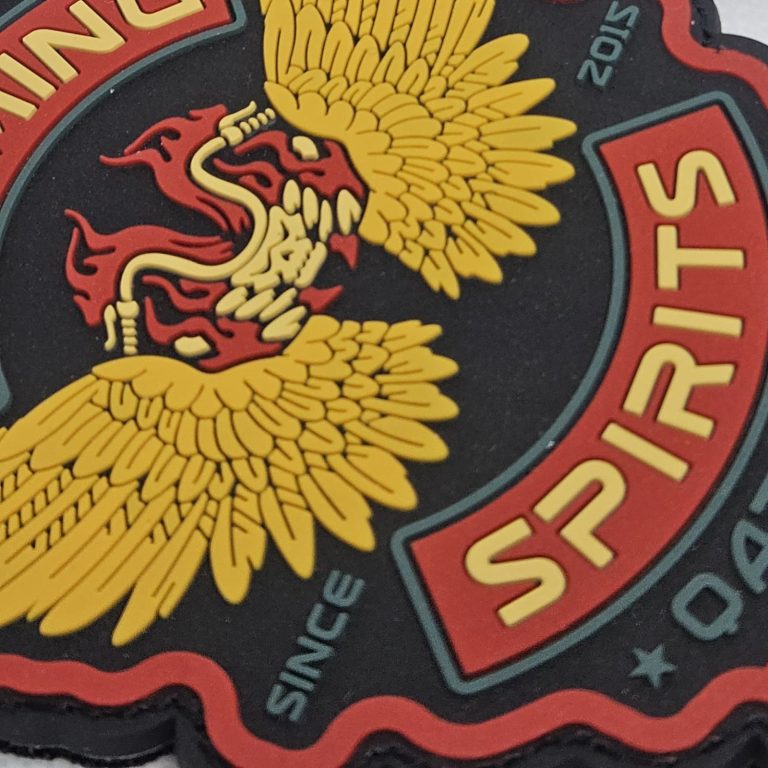
PVC and rubber patches
Soft PVC moulded into your shape, flat or in raised 3D relief. Best for Outdoors, wet work, anything that gets wiped clean See more -
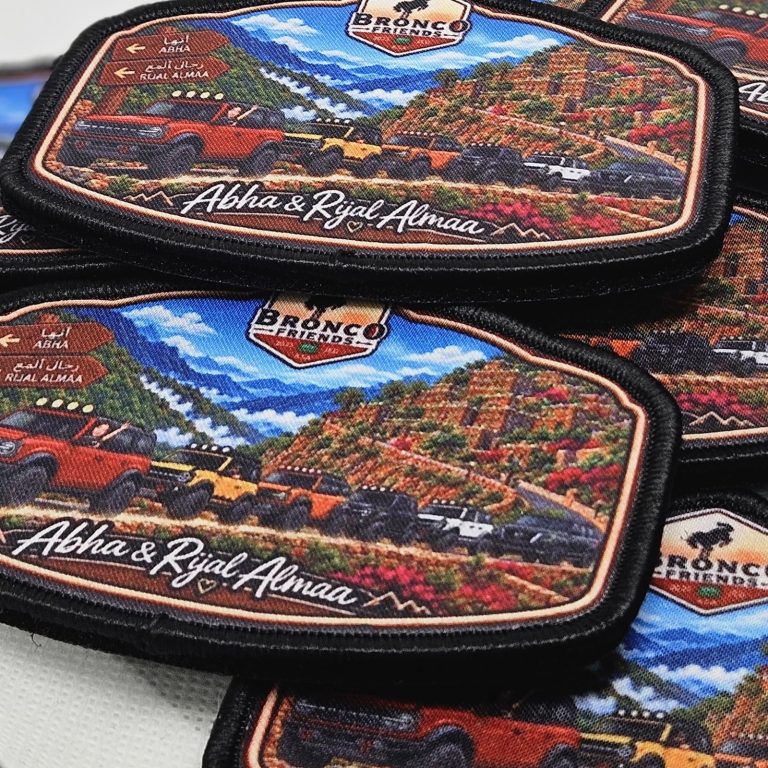
Printed patches
Dye-sublimation printing puts your artwork onto fabric with no limit on the number of colours. Best for Full-colour artwork and photographic detail See more
Which patch fits your design?
Start from the one thing that matters most about your patch. Each answer links to the page that explains it.
-
If you need A raised, textured, traditional badge
Thread you can feel, the look most people picture when they hear “patch”.
Embroidered patches -
If you need Small lettering and fine lines
Woven thread is finer than embroidery thread, so small text stays readable.
Woven patches -
If you need Photographs, gradients or many colours
Printing is the only method with no limit on colours and no trouble with fades.
Printed patches -
If you need Outdoors, wet, or wiped clean
PVC does not soak up water, does not fray and cleans with a wipe.
PVC and rubber patches -
If you need Raised 3D relief
PVC can be built up in layers, so a logo gets real depth.
PVC and rubber patches
Custom patches compared
How each is made, the finest detail it holds, its edge, and what it is best for.
| Material | How it is made | Finest detail it holds | Edge | Best for |
|---|---|---|---|---|
| Embroidered patches | Thread stitched onto twill | Limited by stitch width — very fine print closes up | Merrowed border or hot-cut | Uniforms, jackets, club and unit badges |
| Woven patches | Fine thread woven flat, not stitched on top | Finer than embroidery — holds small lettering | Merrowed border or hot-cut | Detailed logos that have to stay small |
| PVC and rubber patches | Soft PVC moulded to your outline, flat or 3D | Moulded detail down to about 1mm | Die-cut to the artwork, no edge to fray | Outdoors, wet work, anything that gets wiped clean |
| Printed patches | Dye-sublimation printed into the fabric | Photographic — gradients and unlimited colours | Merrowed border or hot-cut | Full-colour artwork and photographic detail |
Questions about custom patches
Embroidered vs woven What is the difference between embroidered and woven patches?
Both are made of thread. An embroidered patch is stitched onto a twill backing, so the design is raised and textured. A woven patch is made on a loom from much finer thread, so it is flat and smooth and holds the small lettering and thin lines that close up in embroidery.
Embroidered vs PVC What is the difference between embroidered and PVC patches?
Embroidery is thread on fabric, with a textile look and feel. PVC is soft moulded rubber: it does not soak up water, does not fray, wipes clean and can be built up in raised 3D relief. Embroidery suits uniforms and jackets; PVC suits anything that works outdoors.
Printed vs embroidered Printed or embroidered patches: which is better?
Neither is better; they do different jobs. Printing reproduces photographs, gradients and any number of colours, and it is flat. Embroidery uses solid thread colours, up to nine on one patch, and gives the raised texture most people expect of a badge.
Detail Which patch material is best for small text?
Woven. Its thread is finer than embroidery thread, so small lettering and thin lines stay readable, where very fine print closes up in embroidery. A printed patch holds small detail too.
Durability Which patch material lasts longest?
Outdoors, PVC: it does not absorb water and has no edge to fray. On clothing that is washed often, embroidered thread on twill outlasts a printed surface, because the colour is the thread itself rather than ink on top of it.
Materials Can one design be made in more than one material?
Usually, yes. A logo can be an embroidered patch for jackets and a PVC patch for bags from the same artwork, set up together.